
Pentagon picks 4 vendors for counter-drone directed energy pilot program
AeroVironment, Epirus, Kord and Boeing were selected for JIATF-401's pilot program.
AeroVironment, Epirus, Kord and Boeing were selected for JIATF-401's pilot program.

A brief overview of high-tech plans along the southern border as FY27 funding hangs in the balance.


Lithium-metal batteries are one way to break the weight and endurance limits of today’s unmanned systems.

“We want to do as much as we can; I would love to continue to bring on new projects, new programs to the border and try it out, but we want to do it in a responsible way that's safe,” Mark Ditlevson, assistant secretary of defense for Homeland Defense and Americas Security Affairs, told Breaking Defense.
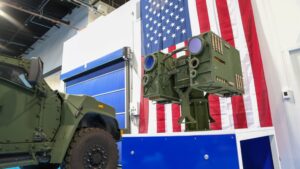
“One of the key exciting components of this particular production program is introducing production-directed energy for the first time in the nation's history,” AV’s vice president of directed-energy systems told reporters.
US soldiers are demonstrating new systems to shoot down drones while the Army starts the search for a new secretary.
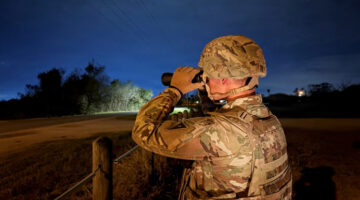
The task force did not disclose exactly where the drones were engaged or who was suspected of flying them, but suggested they could have been used for reconnaissance by a drug cartel.


As threats continue to evolve, speed will increasingly depend on what is already available when the need emerges.
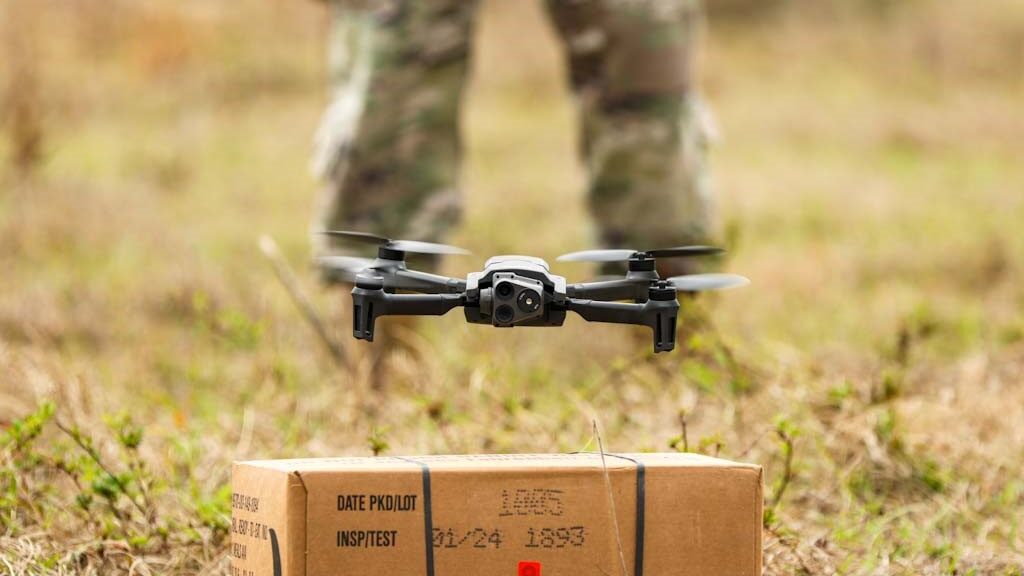
A promising demonstration could result "in a purchase order that allows us to start building the production lines to get these systems into the field,” said Army Brig. Gen. Matt Ross, director of the Pentagon’s JIATF-401.

Separately, MBDA and Rheinmetall were selected to develop a laser weapon system for the German Navy.
Both companies expressed their readiness to transfer technology in line with mandates in Gulf states to localize defense production.
The FY27 budget request sets aside $994 million in total for small c-UAS, with all of that sum coming from discretionary funding.

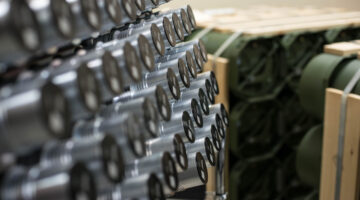
APKWS® laser‑guidance kit provides reliable precision‑guided munitions across missions and platforms, delivered quickly to meet evolving operational demands.

"If boost-phase intercept from space is not affordable and scalable, we will not produce it, because we have other options to get after it," said Space Force Gen. Michael Guetlein.
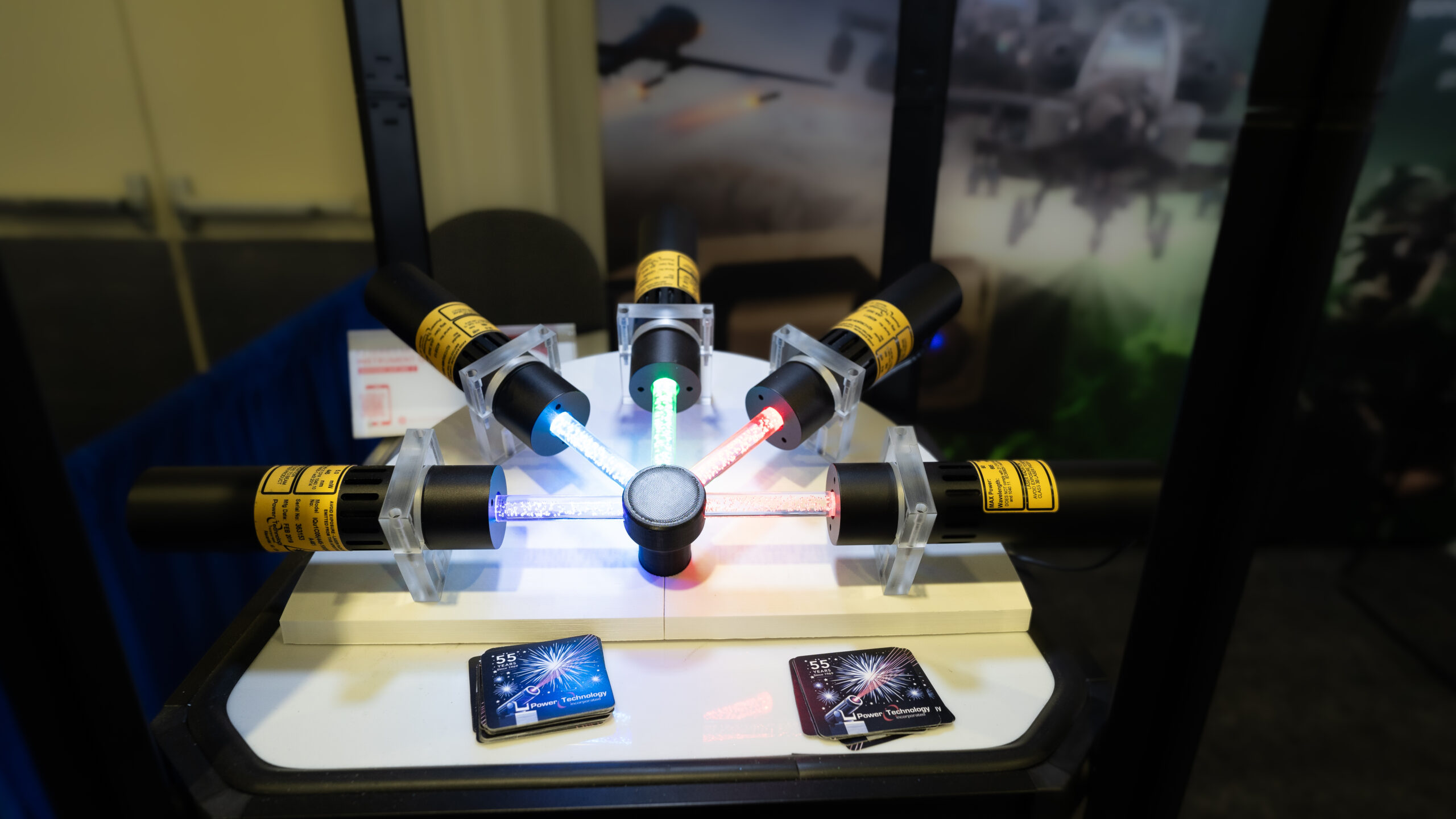
The Enduring-High Energy Laser (E-HEL) program is the Army’s first program of record for a new family of high-energy lasers.

While big primes appear to be positioning themselves for leadership roles, Leidos CEO Tom Bell told reporters the company doesn't need to be "Mr. Golden Dome."

The weapon is envisioned to protect Army bases and vehicles from small- to medium-sized drones.